 NAC Breda Hub
The Rise of NAC Breda in the 1980s: A New Era Begins
The 1980s were a pivotal decade for NAC Breda, a time when the club began to redefine its identity and aspirations in Dutch football. After a tumultuous period in the late 1970s, marked by relegation battles and instability, NAC Breda emerged from the shadows to establish itself as a formidable presence in the top tier of Dutch football.
In the early part of the decade, the club faced several challenges, including financial difficulties and fierce competition in the Eredivisie. However, the resolve of both management and players proved crucial in turning the tide. The appointment of experienced coach Rinus Israël in 1984 marked a turning point; his tactical acumen and ability to motivate players rejuvenated the squad and instilled a sense of purpose.
The highlight of this era came in the 1986-87 season, when NAC Breda achieved a remarkable feat by finishing in the top half of the Eredivisie. This was no small accomplishment, as the league was fiercely competitive, with established teams like Ajax and PSV Eindhoven dominating the landscape. The team's success was built on a solid defensive structure, combined with a dynamic attacking style that made them a joy to watch. Key players such as Willem van Hanegem and Kees Kist became fan favorites, embodying the spirit and tenacity that the club was beginning to be known for.
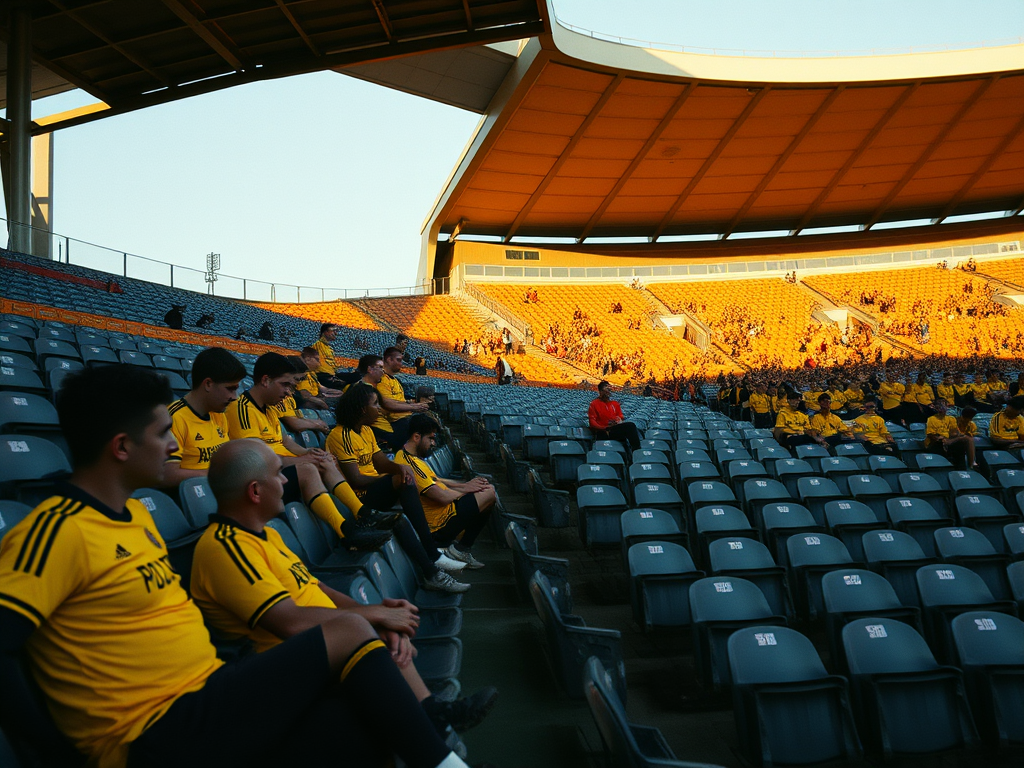
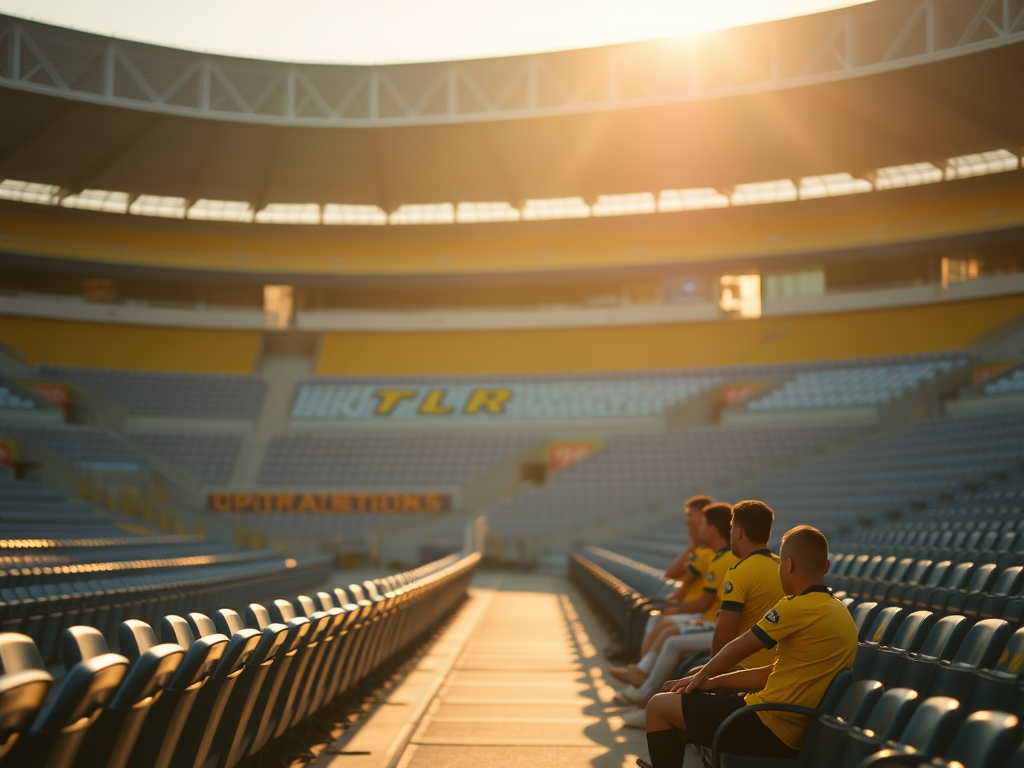
Crowds at Stadion swelled, as supporters rallied behind a team that was no longer just fighting for survival but competing for respect and recognition. The emergence of young talents from the academy also played a significant role in this revival, with local boys donning the NAC colors and connecting with the passionate fanbase.
The rivalry with Willem II, which intensified during this decade, added an extra layer of excitement to each encounter. Matches against their regional rivals were electric, drawing large crowds and showcasing the fervent support that NAC Breda enjoyed. These derby games became a benchmark for measuring the club's progress, as victories over Willem II were celebrated as significant milestones in the club's resurgence.
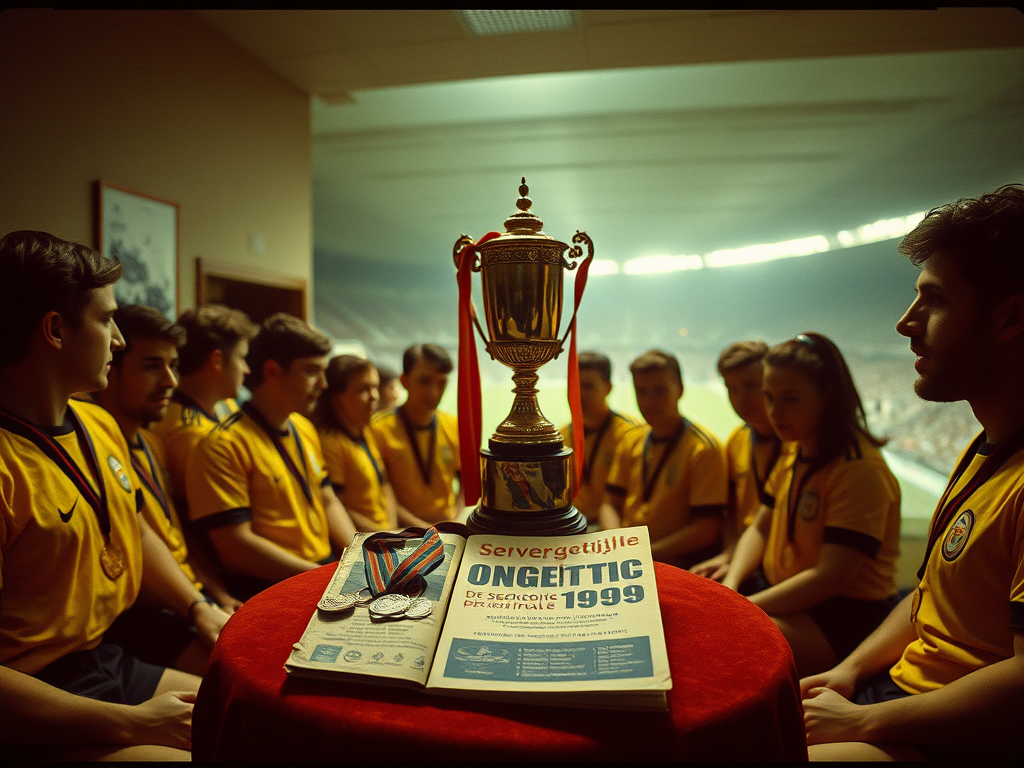
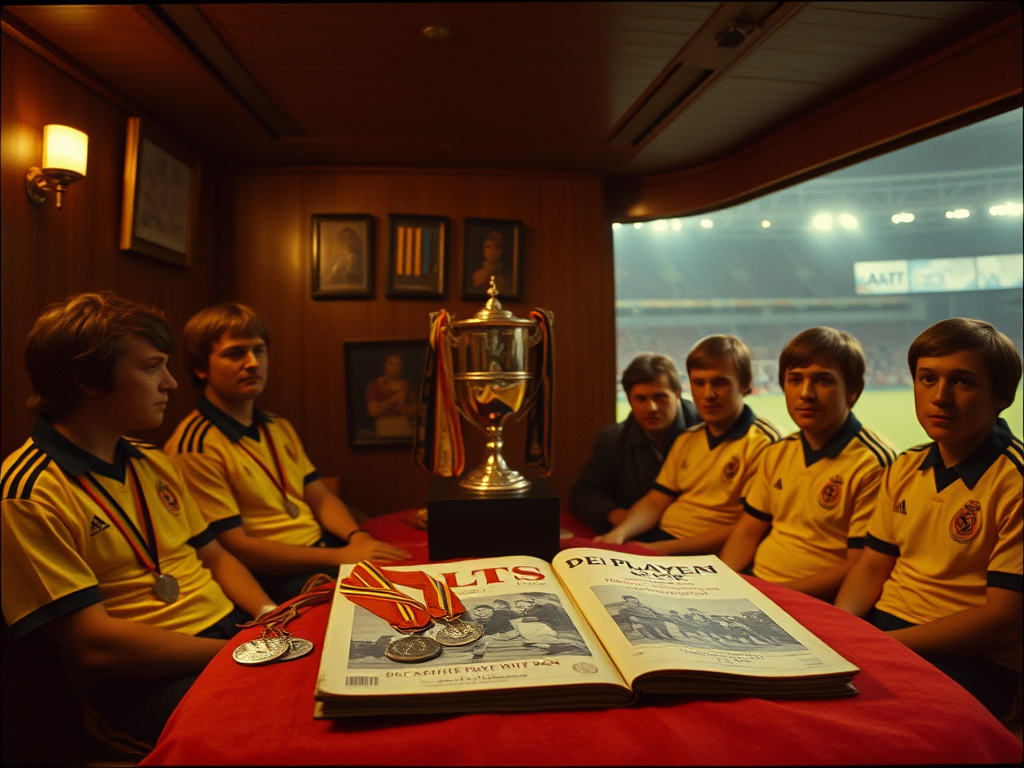
As the decade progressed, NAC Breda continued to build on its success. The club's management demonstrated a commitment to developing a sustainable model, focusing on nurturing talent while also making strategic signings to bolster the squad. The atmosphere at the Stadion became one of optimism, as fans began to dream of a future where NAC Breda could challenge for trophies and secure a place in European competitions.
By the end of the 1980s, NAC Breda had not only solidified its position in the Eredivisie but also laid the groundwork for future successes. This decade was instrumental in shaping the club's philosophy, emphasizing resilience, community, and an unwavering belief in the power of teamwork.
In retrospect, the 1980s were not just years of struggle but rather a transformative period that paved the way for NAC Breda's future. As we look back at this era, it's clear that the foundations laid during this time continue to resonate within the club today, reminding us of the spirit and passion that defines NAC Breda—De Parel van het Zuiden.